5pm-6:30pm Welcome Reception at hotel- everyone welcome! _______________________________________________________
Friday- June 5, 2026 (8 CE)
buffet opens at 6:00am Complimentary Breakfast at hotel
8:15am Morning Mixer for Members | Members-only Event
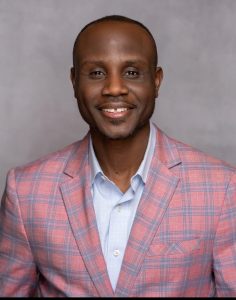
9-10am Dr. Yanick Hicks | Maxwell Leadership R.E.A.L. Leadership for Pharmacy Technicians: Turning Everyday Work into Exceptional Impact
10-10:15am Recognition & Awards | Snack Break
10:15-11:15am Morning Break Out Sessions (choose 1 to attend live & the other will be available to watch virtually)
√ Choice 1: Rachel Wagmaister, MS, CPhT | University of Colorado Skaggs School of Pharmacy What I Wish I Knew Before Becoming a Pharmacy Technician
√ Choice 2: Samantha Roth, NE-CPhT | Nebraska Medicine Optimizing the Pharmacy Technician Role in Improving Medication Access & Adherence for People Living with HIV
11:30-12:30pm | Lunch & Learn Session Dr. Laura Cannon, PharmD, MPH, BCOP | The University of Texas at Austin College of Pharmacy Oncology Essentials for the Pharmacy Technician
12:30-1:30pm Dr. Russell Buzalko | University of Nebraska Medical Center Pharmacy Technician Communication Behind and Beyond the Counter
1:30-2:30pm Zachary Green, CPhT | Pharmacy Technician Certification Board (PTCB) Authorized to Excel: Leveraging National Credentials and State Advocacy to Expand Technician Scope
2:30-3:30pm Afternoon Break Out Sessions (choose 1 to attend live & the other will be available to watch virtually)
√ Choice 1: Brenda Jensen, CPhT, PhT, CNMT, MBA | Compounding Consultants, LLC Uncovering Common Areas of Noncompliance in Sterile Compounding
Pharmacy technicians play a vital role in ensuring accuracy, safety, and seamless patient care—but today’s rapidly evolving healthcare goes beyond technical proficiency. It requires proactive, everyday leadership that strengthens the entire care team.
In this empowering session, you’ll discover how the R.E.A.L. Leadership framework—Resilience, Empathy, Accountability, and Leadership Excellence—can help you elevate your influence, strengthen team performance, and create meaningful impact through your daily work. Whether you’re supporting clinical operations, coordinating care, or mentoring others, this presentation will equip you with practical tools to communicate effectively, stay resilient under pressure, and lead with confidence in any pharmacy setting.
Practice strategies rooted in active listening, accountability, and resilience to build trust, improve workflow collaboration, and contribute to a more efficient, engaged, and
high-performing pharmacy team.
Develop emotional intelligence skills to improve communication, strengthen professional relationships, and support a positive, collaborative work culture—even in high-pressure environments.
Understand and apply the R.E.A.L. Leadership framework to enhance teamwork, strengthen resilience, and elevate the impact pharmacy technicians have on patient care and operational excellence.
What I Wish I Knew Before Becoming a Pharmacy Technician
Rachel Wagmaister, CPhT |Office of Continuing Education Manager, University of Colorado Skaggs School of Pharmacy
Pharmacy technicians are sometimes spoken about in passing phrases like “they’re just a tech” or “they need more training”. I chose to become a Certified Pharmacy Technician to better understand the profession I work so closely with, and what I discovered was a role that is far more complex, demanding, and critical than I expected.
Describe the common misconceptions about the pharmacy technician role and explain how real-world practice differs from these assumptions.
Identify key skills and responsibilities pharmacy technicians use daily that extend beyond certification and formal training.
Recognize factors within pharmacy systems and workflows that influence technician confidence, performance and personal growth.
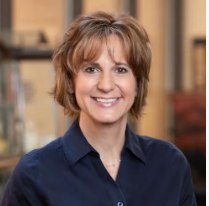
Current Over the Counter Landscape
Renee Acosta, R.Ph, MS | Clinical Professor & Senior Associate Dean for Academic Affairs, The University of Texas at Austin College of Pharmacy
This presentation will discuss the current use of nonprescription medications in the United States and the role of the pharmacy technician in patient self-care. Topics will include current trends and uses in teh OCT market and current events related to nonprescription products.
Describe the current state of the nonprescription market in the United States.
Discuss new trends and uses in the OTC market.
Discuss current events relating to nonprescription products.
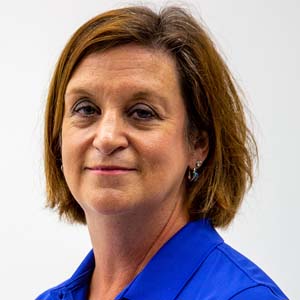
Regulatory Insights for Nonsterile Compounding and The Role of the Pharmacy Technician
Annie DeReese, PharmD |Professional Compounding Centers of America (PCCA)
This presentation will provide an overview of pharmaceutical compounding and review current USP <795> requirements as they relate to pharmacies and compounding personnel. The presenter will clearly define the responsibilities and scope of practice for pharmacy technicians within a compounding environment. In addition, the presenter will discuss the FDA Insanitary Conditions Guidance and evidence-based best practices to help attendees recognize and prevent conditions that can lead to contamination.
Discuss the role of the pharmacy technician in a compounding practice.
Explain who the United States Pharmacopeia (USP) is and describe the USP requirements for personnel in a compounding practice.
Review the Drug Supply Chain Security Act (DSCSA) and summarize when and where it is applicable.
Calculations: When Good Intentions Fall Short
Holli Temple, PharmD |Clinical Associate Professor | The University of Texas at Austion College of Pharmacy
Medication calculations are a critical part of safely compounding sterile preparations, yet errors can occur even with the best intentions. This session reviews common IV calculations related to sterile compounding and highlights where errors most often arise. Practical examples and prevention strategies are used to reinforce accurate calculations as a key patient safety responsibility.
Review specific drug calculations.
Calculate medication doses and volumes given medication orders.
Illustrate calculation errors associated with said medication orders.
Discuss methods to prevent and/or catch calculation errors.
Pharmacy Technician Communication Behind & Beyond the Counter
Russell Buzalko, Ph.D., MAS |Adjunct Associate Professor | University of Nebraska Medical Center
Effective communications amongst healthcare professional can contribute to highly positive results. Similarly, ineffective communications are frequently the root cause of extremely disastrous outcomes. These assertions are quite true in the pharmacy environment and should be considered on a daily basis. The speaker and conference attendees will work together to describe how communications can affect outcomes along with the challenges when exchanging vital information with co-workers, patients, and family members. Tools and strategies to help improve communications in your pharmacy are provided.
Identify communication challenges.
Describe how communication affects pharmacy team processes and outcomes.
Identify tools and strategies to improve pharmacy communications.
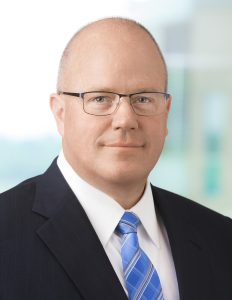
Uncovering Common Areas of Noncompliance in Sterile Compounding
Brenda Jensen, CPhT, CNMT, MBA |Compounding Consultants, LLC
Sterile compounders often have similar struggles with compliance. This session will highlight common areas of noncompliance and provide information on how to identify and correct gaps
internally to reduce the risk of regulatory scrutiny.
Identify common areas of noncompliance in sterile compounding.
Review documentation requirements for USP <797>.
Outline strategies to discover and correct gaps in compliance.
Oncology Essentials for the Pharmacy Technician
Laura Cannon, PharmD, MPH, BCOP | Clinical Assistant Professor, Pharmacy Practice Division | The University of Texas at Austin College of Pharmacy
With the rapid increase in the number of oncology treatment approvals, this session offers a straightforward, big‑picture overview of chemotherapy, immunotherapy, targeted therapy, and supportive care, helping technicians understand key differences in how these treatments work and what that means for dispensing, distribution, and patient care.
Recognize big picture differences between chemotherapy, immunotherapy, and targeted therapy and their role in cancer treatment.
Outline key dosing considerations and the importance of supportive care medications for patients undergoing cancer treatment.
Recognize the importance of the pharmacy technician’s role in oncology care and discuss strategies to proactively anticipate cancer patient needs.
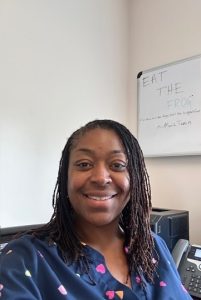
Proactive Protection: Understanding PrEP & PEP
Catherine Wente | Clinical Assistant Professor | Campbell University College of Pharmacy & Health Sciences
An overview of FDA-approved medications for pre-exposure prophylaxis (PrEP) and post-exposure prophylaxis (PEP) for HIV and other sexually transmitted infections (STIs). Discussion of the socioeconomic factors, stigma and health disparities that impact STI transmission and limit STI prevention.
Differentiate between PREP and PEP regarding indications, timing, regimens and monitoring.
Examine social determinants of health and identify appropriate candidates for PrEP.
Determine when PEP is warranted based on specific STI exposure scenarios.
Develop an evidence-based initiation and monitoring plan for patients receiving PrEP or PEP including laboratory testing and follow-up.
Building Career Autonomy & Resilience
Dr. Chandler Follett, PharmD | University of Colorado Anschutz School of Pharmacy in Colorado
Many pharmacy technicians eventually reach a point where their competence exceeds their role and mistake discomfort for failure instead of progress. This session shows how to turn uncertainty and self-doubt into confidence. Attendees will learn how to recognize their unique transferable skills, how to approach change head on and how to take ownership of their career path. The session focuses on advocating for your own development.
Recognize signs that a challenge represents growth verses a need for additional training.
Identify transferable skills that apply across roles and settings gained through routine tasks.
Apply a framework to navigate change and to take ownership of career direction.
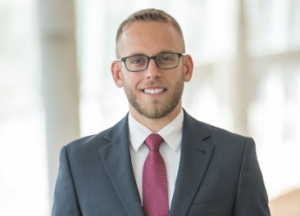
Understanding Obesity: The Pharmacy Technician’s Role in Patient Care
Dr. Logan Franck, PharmD, BCACP | Clinical Assistant Professor | University of Nebraska Medical Center College of Pharmacy This session defines obesity with discussion of the prevalence, management, mediations and insurance coverage. This is a current, hot topic where the knowledge gained will quickly be utilized in pharmacy technician workflow.
Describe the basic causes and health consequences of obesity.
Identify common prescription and OTC medications used in weight management.
Understand the insurance and billing considerations for anti-obesity agents.
AI Assist: Working Smarter Alongside Your Pharmacist
Judy Neville, CPhT, CPTeD, CSPT, SCAT, in-D | Director of Pharmacy Technician Education | University of Nebraska Medical Center College of Pharmacy This presentation provides pharmacy technicians with a practical introduction to the use of artificial intelligence (AI) in daily pharmacy workflow. Designed for individuals with little to no prior experience with AI, the course begins with foundational concepts—what AI is, how it works, and how to use it responsibly. Building on this foundation, the course transitions to step-by-step procedures to use AI in to enhance workflow efficiency and support the pharmacist’s clinical role. The course explores how AI tools can be used to support practical applications for everyday practice.
List two AI engines, how to access and summarize what the engines can be best used for in workflow problem solving.
Describe how to interact with AI when forming questions.
Demonstrate knowledge of selection of best AI-assisted tasks by participating in scenario-based activities.
Medication Reconciliation: How Pharmacy Technicians Improve Medicare Outcomes
Breiane Jackson, CPhT
Medication reconciliation is a powerful tool within the Medicare health plan environment for improving adherence, closing quality gaps and enhancing patient safety across the continuum of care. This session explores how pharmacy technicians play a critical role in identifying medication discrepancies, interpreting pharmacy claims data and navigating benefit design complexities that directly impact patient outcomes. Attendees will gain insight into how formulary structures, Part D coverage rules and claims patterns influence the accuracy of medication lists and adherence behaviors.
Identify common medication discrepancies in Medicare populations and explain how they impact adherence, quality measures and patient safety.
Analyze how pharmacy claims data, benefit design and formulary structures influence medication reconciliation outcomes within a health plan setting.
Apply pharmacy technician knowledge to improve coordination between health plans, medical groups and members to reduce medication-related gaps in care.
Optimizing the Pharmacy Technician Role in Improving Medication Access & Adherence for People Living with HIV
People living with HIV often encounter barriers to obtaining and consistently taking their medications. This presentation highlights the critical role of pharmacy technicians in helping address challenges through benefits navigation, care coordination and proactive refill management. The presenter shares her personal experience developing and facilitating a Specialty Pharmacy Program to improve medication access.
Describe common patient, system and medication-related barriers to antiretroviral access.
Share Nebraska Medicine pharmacy technician-led strategies to improve access and continuity of antiretroviral therapy.
Discuss the pharmacy technician role within the interprofessional HIV care team.
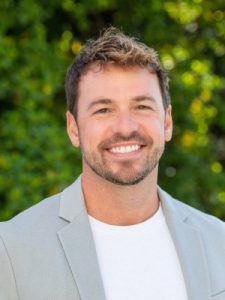
Authorized to Excel: Leveraging National Credentials and State Advocacy to Expand Technician Scope
Zachary Green, CPhT | Director of Professional Affairs & PTEC | Pharmacy Technician Certification Board (PTCB)
This presentation will outline the need to analyze state variations in pharmacy technician tasks, adopt standardized recommendations and national credentials to optimize patient care and safety, and use advocacy tools to modernize state laws to expand and standardize the technician’s scope of authority. antiretroviral therapy.
Identify and compare the diverse tasks authorized for pharmacy technicians across different states.
Describe the consensus-based recommendations developed by the NASPA national workgroup (e.g., accepting verbal orders, performing sterile compounding, and transferring prescriptions) and explain how implementing these standards ensures patient safety while optimizing the pharmacist’s role in clinical care.
Utilize the advocacy toolkit to effectively communicate with state boards of pharmacy and legislators, advocating for the modernization of state laws to expand and standardize the pharmacy technician scope of authority.
Saturday- June 6, 2026 (7 CE)
buffet opens at 6:00am Complimentary Breakfast at hotel
7:30-8:15am Campus Coffee Tour
Sip, stroll & soak it all in!
Grab your favorite to-go coffee or juice and join us for a Saturday morning
walking tour of the gorgeous University of Texas campus.  From the charming
turtle pond to the iconic Tower, the Main Mall and must-see public art gems,
this is your perfect blend of sightseeing and weekend vibes.
No charge, optional Convention activity.
8am Sign in
8:30-9:30am Dr. Annie DeReese, PharmD | PCCA Regulatory Insights for Nonsterile Compounding and The Role of the Pharmacy Technician
9:30-10:30am Renee’ Acosta, RPh, MS | The University of Texas at Austin College of Pharmacy Current Over the Counter Landscape
10:30-11:30am Dr. Logan Franck, PharmD, BCACP | University of Nebraska Medical Center College of Pharmacy Understanding Obesity: The Pharmacy Technician’s Role in Patient Care
11:30-12:30pm Lunch
12:30-1:30pm Dr. Holli Temple, PharmD | Clinical Associate Professor | The University of Texas at Austin College of Pharmacy Calculations: When Good Intentions Fall Short
1:30-2:30pm Judy Neville, CPhT, CPTeD, CSPT, SCAT, in-D | University of Nebraska Medical Center College of Pharmacy AI Assist: Working Smarter Alongside Your Pharmacist
2:30-3:30pm Afternoon Break Out Sessions (choose 1 to attend live & the other will be available to watch virtually)
√ Choice 1:
Catherine Wente,PharmD, CACP | Campbell University of College of Pharmacy & Health Sciences in North Carolina Proactive Protection: Understanding PrEP & PEP
√ Choice 2: Dr. Chandler Follett, PharmD | Colorado University Anshutz School of Pharmacy in Colorado Building Career Autonomy & Resilience
3:30-4:30
Optional Organized Free time Activity TBD
Schedule subject to change based on Convention needs
ACCREDITED CONTINUING EDUCATION
for PHARMACY TECHNICIANS
TARGET AUDIENCE
This accredited continuing education activity is designed for
pharmacy technicians.
EDUCATIONAL OBJECTIVES
At the conclusion of this activity, the participants should
be better able to:
1. Describe how the roles and responsibilities of pharmacy
technicians impact processes that support clinical pharmacy
services.
2. Discuss best practices in medication management to better
support pharmacy practice and patient needs for improved
medication-related outcomes.
3. Explain how the pharmacy technician can collaborate
with pharmacists to help maintain compliance standards
and to ensure patients receive the correct medication
to treat their health conditions.
The University of Colorado Skaggs School of Pharmacy and Pharmaceutical
Sciences is accredited by the Accreditation Council for Pharmacy Education
as a provider of continuing pharmacy education (CPE).  This activity has
been accredited for 12 contact hours of knowledge-based CPE for
pharmacy technicians.  To receive CPE, participants must create a profile
on lecturepanda.com with their NABP eProfile ID number and birthdate and
complete the activity evaluation.  CPE credit will be uploaded to CPE
Monitor upon completion of the activity evaluation.
Click on each vendor logo for job Opportunities & Deals


 R.E.A.L. Leadership for Pharmacy Technicians: Turning Everyday Work into Exceptional Impact
 What I Wish I Knew Before Becoming a Pharmacy Technician
 Current Over the Counter Landscape
 Regulatory Insights for Nonsterile Compounding and The Role of the Pharmacy Technician
 Uncovering Common Areas of Noncompliance in Sterile Compounding
 Oncology Essentials for the Pharmacy Technician
 Proactive Protection: Understanding
 Understanding Obesity: The Pharmacy Technician’s Role in Patient Care
 AI Assist: Working Smarter Alongside Your Pharmacist
 Medication Reconciliation: How Pharmacy Technicians Improve Medicare Outcomes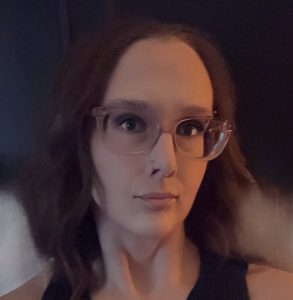
 Authorized to Excel: Leveraging National Credentials and State Advocacy to Expand Technician Scope